

Explore Our Services
We specialize in small batch manufacturing, producing between 30 and 300 pieces per order—perfect for emerging designers and brands seeking flexible, high-quality production.

Benefits of Small Batch Production
• Lower Risk: Producing smaller quantities reduces upfront costs and inventory risks, making it ideal for new and emerging brands.
• Greater Flexibility: Small batches allow you to test new designs, fabrics, and styles before committing to larger runs.
• Faster Turnaround: Smaller orders are quicker to produce, helping you respond faster to market trends and customer feedback.
• Higher Quality Control: Managing fewer pieces makes it easier to maintain consistent quality and catch issues early.
• Sustainability: Producing only what you need minimizes waste and supports more ethical, responsible manufacturing practices.
• Customization: Small batches enable more personalized touches and limited editions that appeal to niche markets.
-
Our in-house fashion design services help you sharpen your creative direction and prepare designs for production. Through strategic planning sessions with our Creative Services Team, we'll define your target audience, shape your brand story, and unify your collection’s vision.
Our designers bring your ideas to life with mood boards, sketches, and detailed line sheets, ensuring your vision is clear and production-ready. With Makers Hub design services, you gain the clarity and confidence to launch a successful collection.
-
Finding the perfect fabrics and trims is a key part of bringing your fashion collection to life. Our Fabric Sourcing Services provide emerging designers with expert support and guidance, ensuring your creative vision comes to life using high-quality and sustainable materials.
Our dedicated Sourcing Manager carefully researches and selects top fabric suppliers based on texture, drape, durability, and cost. You’ll receive curated swatches to review and approve, and we guide you seamlessly through the purchasing process to ensure you get the best quality and value.
For denim and dyed or washed fabrics, we use a specialized process to calculate shrinkage, guaranteeing a perfect fit and finish for your final products.
With our Fabric Sourcing Services, you can confidently secure premium, sustainable materials—backed by a team committed to your brand’s success.
-
Launching a new fashion line can be challenging, but our pattern and sample making services are here to simplify the process for emerging designers. With extensive experience and expert knowledge of pattern development and sample production, we offer tailored packages that bring your creative vision to life efficiently and reliably.
Whether you're creating your first samples or developing a full collection, our services adapt to your needs and budget. Each package includes custom pattern creation, sample sewing, fittings, adjustments, and final samples—delivering a smooth, transparent process with no hidden fees.
Our pattern development lays a strong foundation for your collection, complemented by opportunities for creative consultations and mentorship from industry professionals. For brands with specific goals, we provide custom development packages crafted to your unique requirements.
With our pattern and sample-making services, you can focus on your creative vision while we handle the technical details and production accuracy. Together, we'll ensure your collection launches confidently, stylishly, and with exceptional quality.
-
We specialize in cut and sew manufacturing, delivering customized apparel production services for emerging and established designers across the U.S. Whether you require small-volume intricate designs or scalable factory-level runs, our expert team brings your vision to life with precision and care.
Our vertically integrated manufacturing approach ensures consistent quality and attention to detail at every stage. Whether launching your first collection or expanding an existing line, our small-batch expertise guarantees meticulous craftsmanship tailored to your needs.
For larger orders, our Factory Level Production offers competitive pricing and scalability, with low minimums of just 50 pieces per style. We collaborate with ethical sewing factories in Los Angeles, upholding fair labor practices and rigorous quality standards.
We also provide expert production management, including quality checks throughout the process and a final inspection by independent third-party reviewers. From limited runs to larger orders, we are committed to delivering exceptional quality and timely production, no matter how complex the project.
-
We work closely with you to create a unique brand identity that truly connects with your target audience, helping your brand stand out in a crowded market. From logo design and visual elements to messaging and brand voice, we ensure your brand is cohesive, memorable, and impactful.
Our expertise also includes crafting visual stories through stunning photoshoots. Whether you need product photography, lifestyle images, or a complete lookbook, we’ll plan and execute your shoot either in our studio or with trusted partners. We connect you to top photographers, stylists, and makeup artists—all while keeping your budget in mind.
To build your online presence, we offer captivating web design and development services. Our expert team designs user-friendly websites that highlight your collection and encourage engagement. From graphic design and online marketing to social media management, we provide the tools and support to help you reach and grow your audience effectively.
-
Our Marketing and Digital Design Services help your brand connect with the right audience and stand out online through:
• Brand Strategy & Messaging: Crafting clear, compelling messages that represent your brand’s voice and values.
• Graphic Design: Creating eye-catching visuals for social media, websites, advertisements, and print materials.
• Web Design & Development: Building user-friendly, responsive websites that showcase your collection and drive engagement.
• Social Media Management: Developing and executing content plans to grow your following and boost brand awareness.
• Email Marketing: Designing newsletters and campaigns that nurture your audience and increase sales.
• Content Creation: Producing professional photos, videos, and graphics that tell your brand’s story.
These services provide the creative tools and strategies you need to build a strong digital presence and grow your business.
Personalized Mentorship Program
Every designer has unique needs, whether it’s business support, merchandising advice, understanding the fashion process, online marketing, or a combination of these. That’s why no two mentoring experiences are the same.
Through our Mentorship Program, Makers Hub founder Amelia B brings her extensive expertise and personal experience in launching brands to guide you one-on-one. With a master’s degree in Design and Fashion Management from Milano and over 20 years in the industry, Amelia serves as your trusted advisor throughout your launch journey.
Having helped nearly 4,000 emerging clothing designers successfully bring their collections to market, Amelia is dedicated to setting you on the path to success.
Launch Your Custom Clothing Collection with Blank Label
Looking to launch a clothing collection without high startup costs?
Blank Label offers true customization that bridges the gap between launching your own line and luxury blanks. With decades of industry expertise, we provide ethically made-to-order luxury blanks crafted right here in France. Say goodbye to generic blanks picked from a limited list. Our modular approach lets you create something truly unique through an easy, seamless process.
You select the style, fabric, color, labels, and even photoshoots and marketing support. Our expert team will produce one sample for your approval before completing the full collection, ensuring quality and your complete satisfaction.
How the clothing manufacturing process works
Clothing manufacturing transforms your design ideas into finished garments ready for sale. The process involves several key steps, each critical to ensuring quality and efficiency:
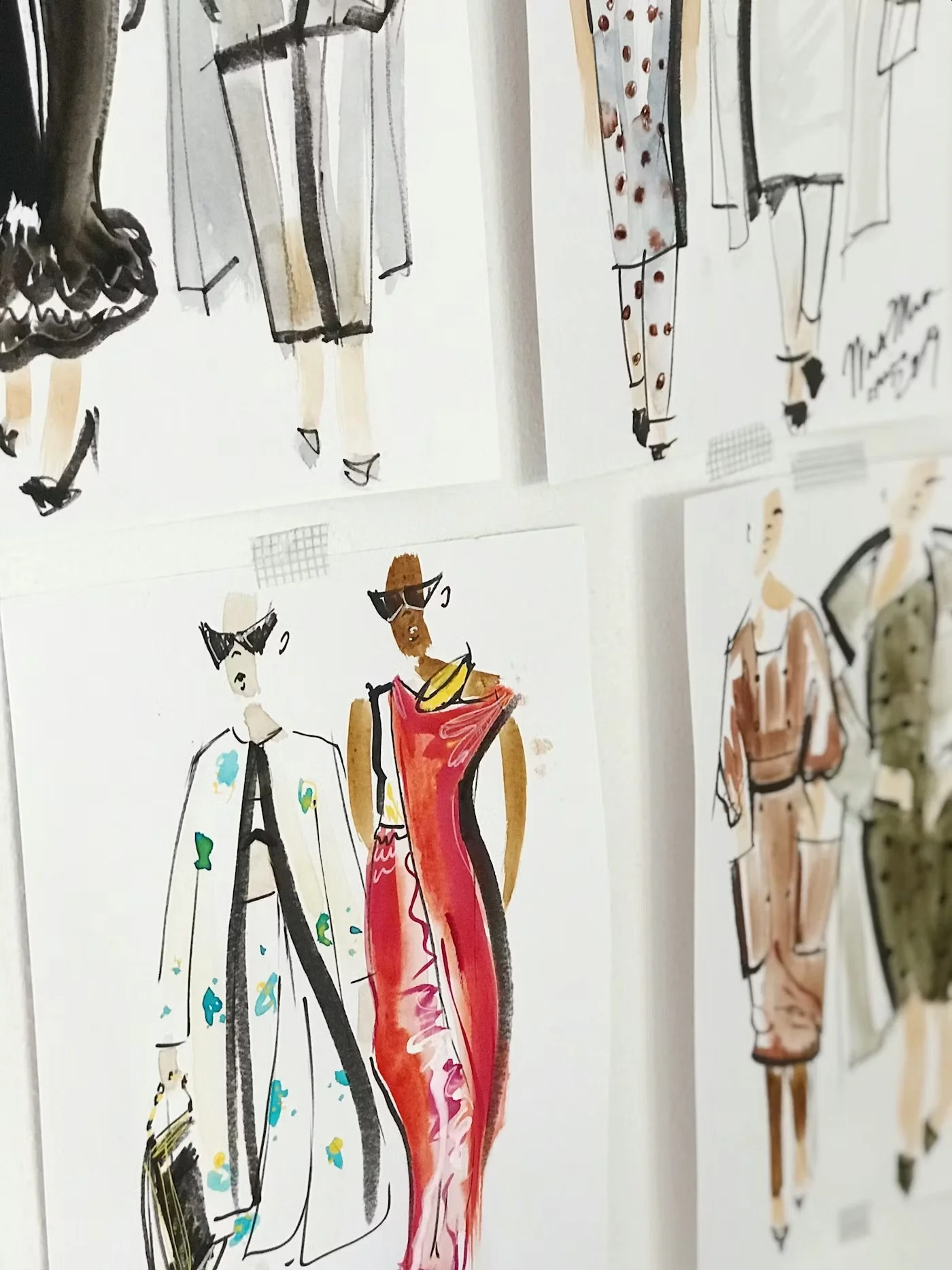
Design and Pattern Making
The process begins with designers creating sketches and conceptualizing the garment. Skilled pattern makers then convert these designs into precise patterns—templates used to cut fabric pieces accurately.
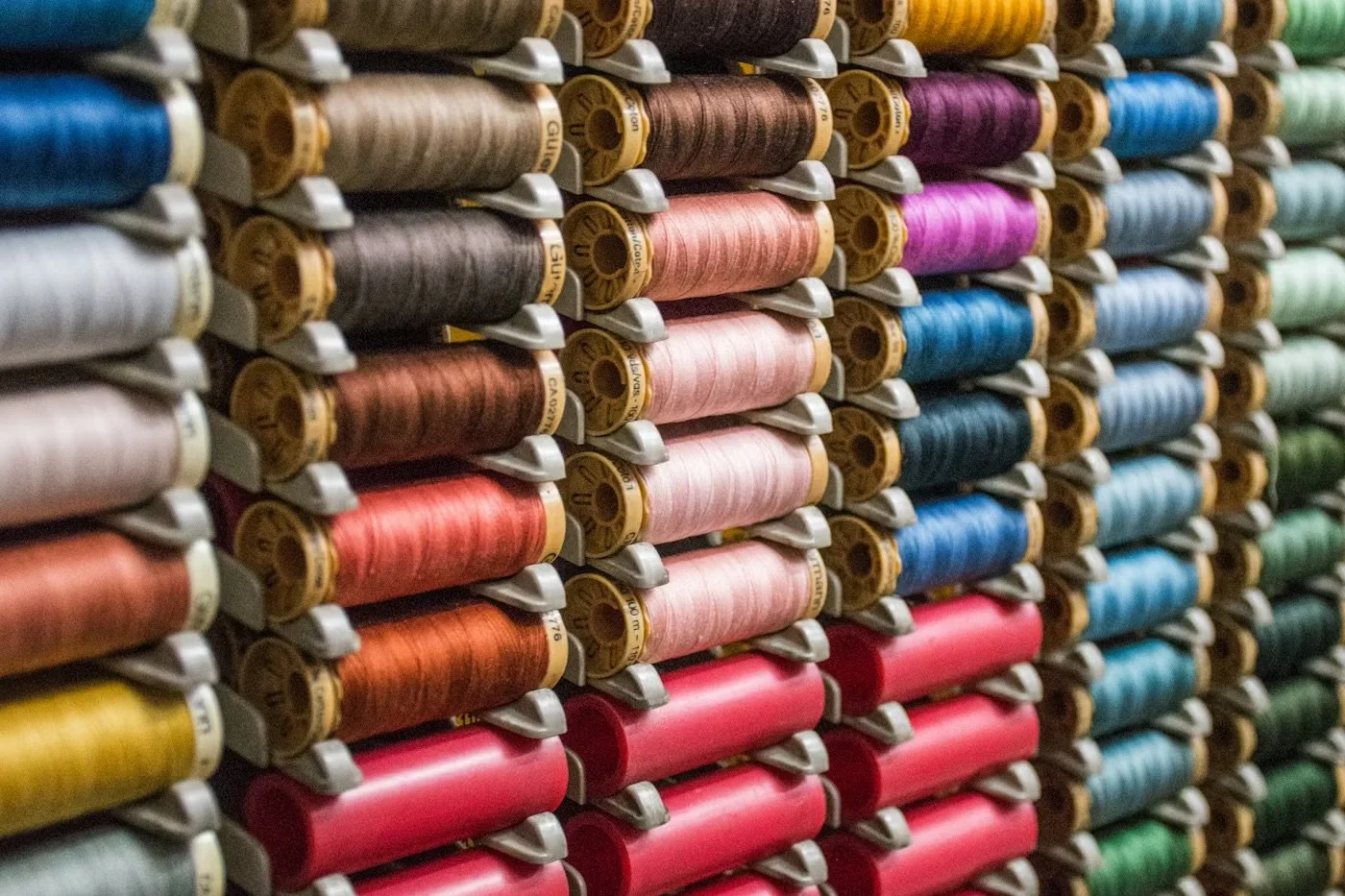
Fabric Sourcing
Selecting the right fabric and trims is essential. Manufacturers work with suppliers to source materials that match the design’s requirements for texture, color, durability, and sustainability.
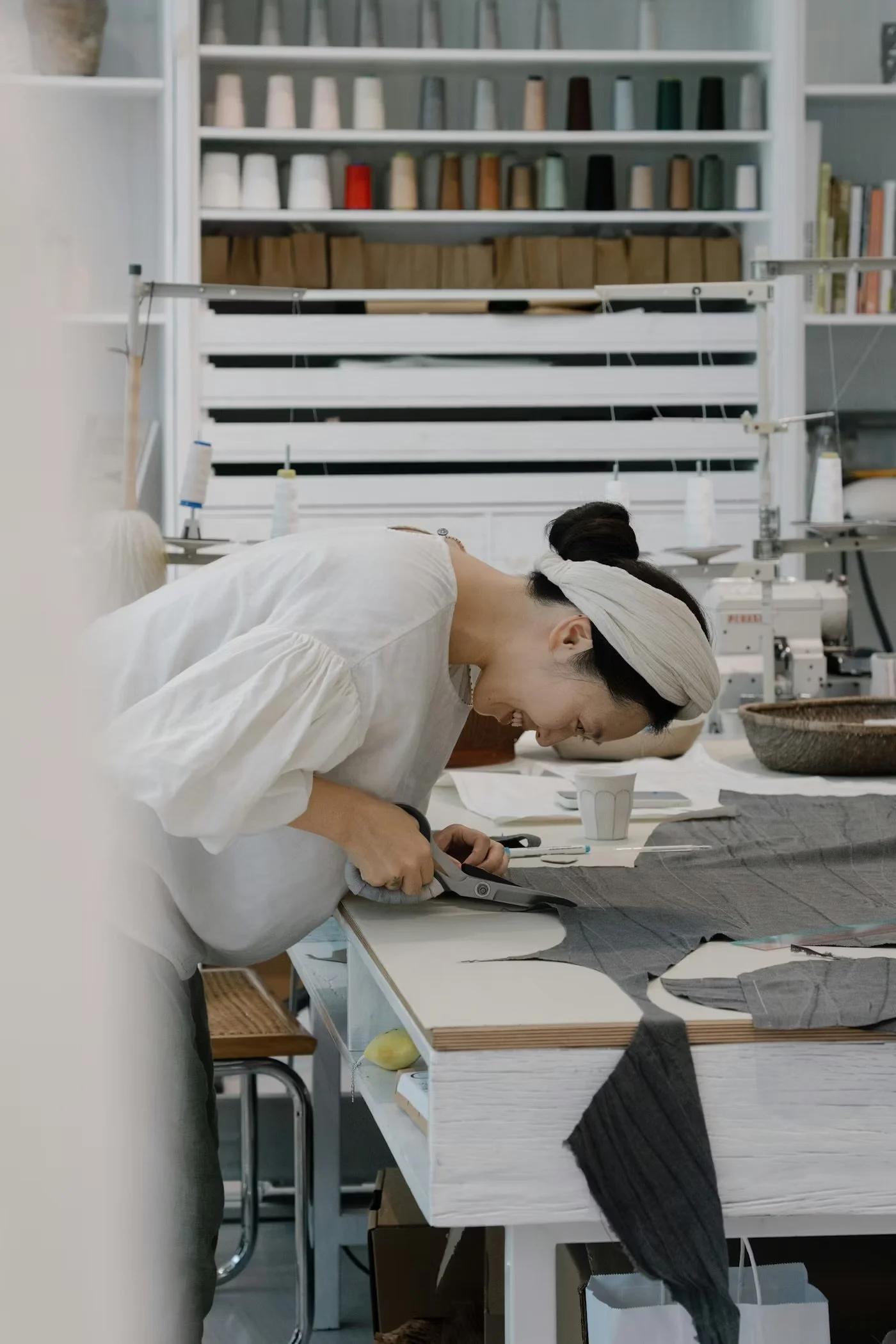
Cutting
Fabric is carefully laid out and cut according to the patterns. This step is crucial for minimizing waste and maintaining consistent garment sizes.
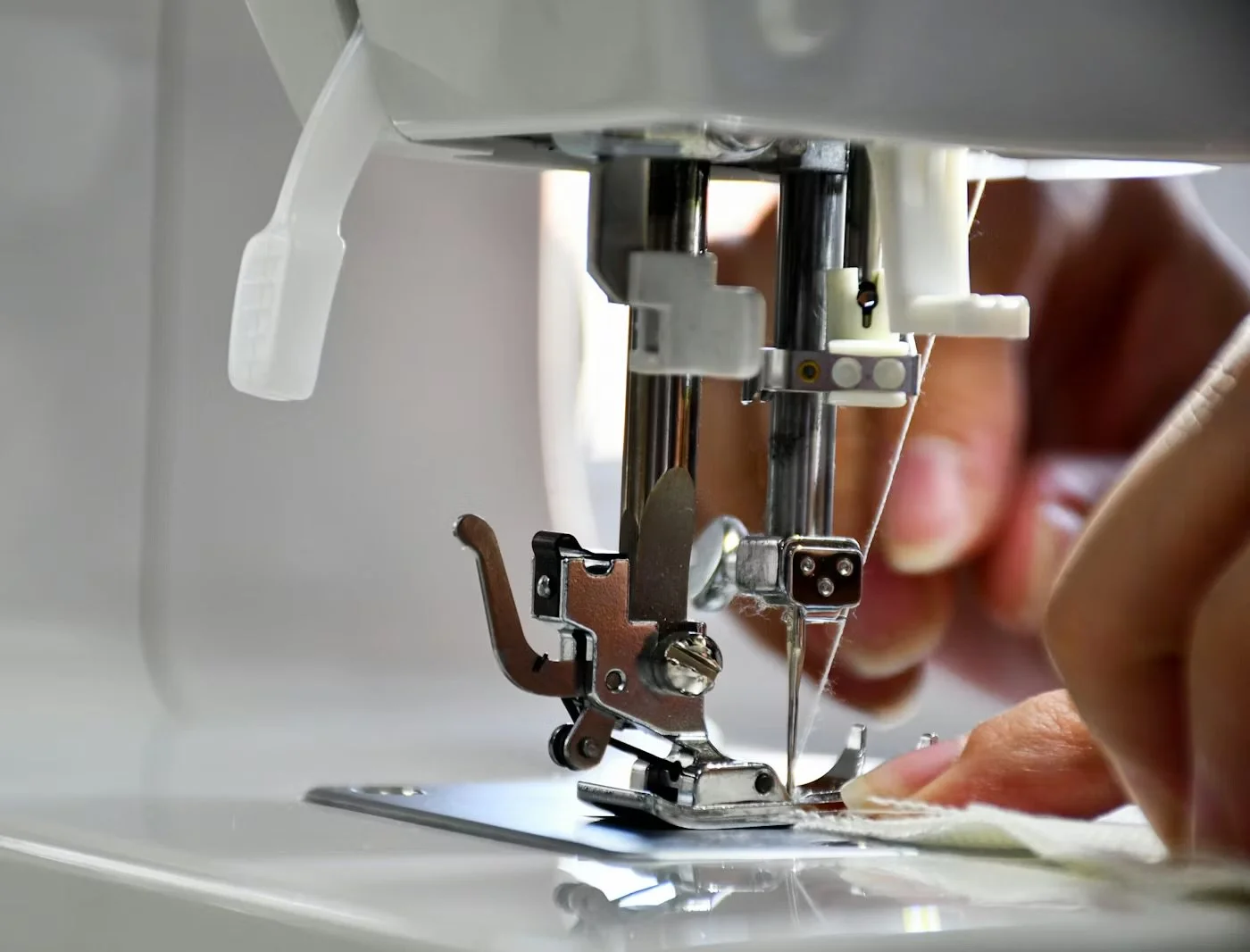
Sewing and Assembly
Cut pieces are sewn together by skilled workers or automated machines. This step includes attaching details such as zippers, buttons, and labels, assembling the garment into its final form.
Quality Control
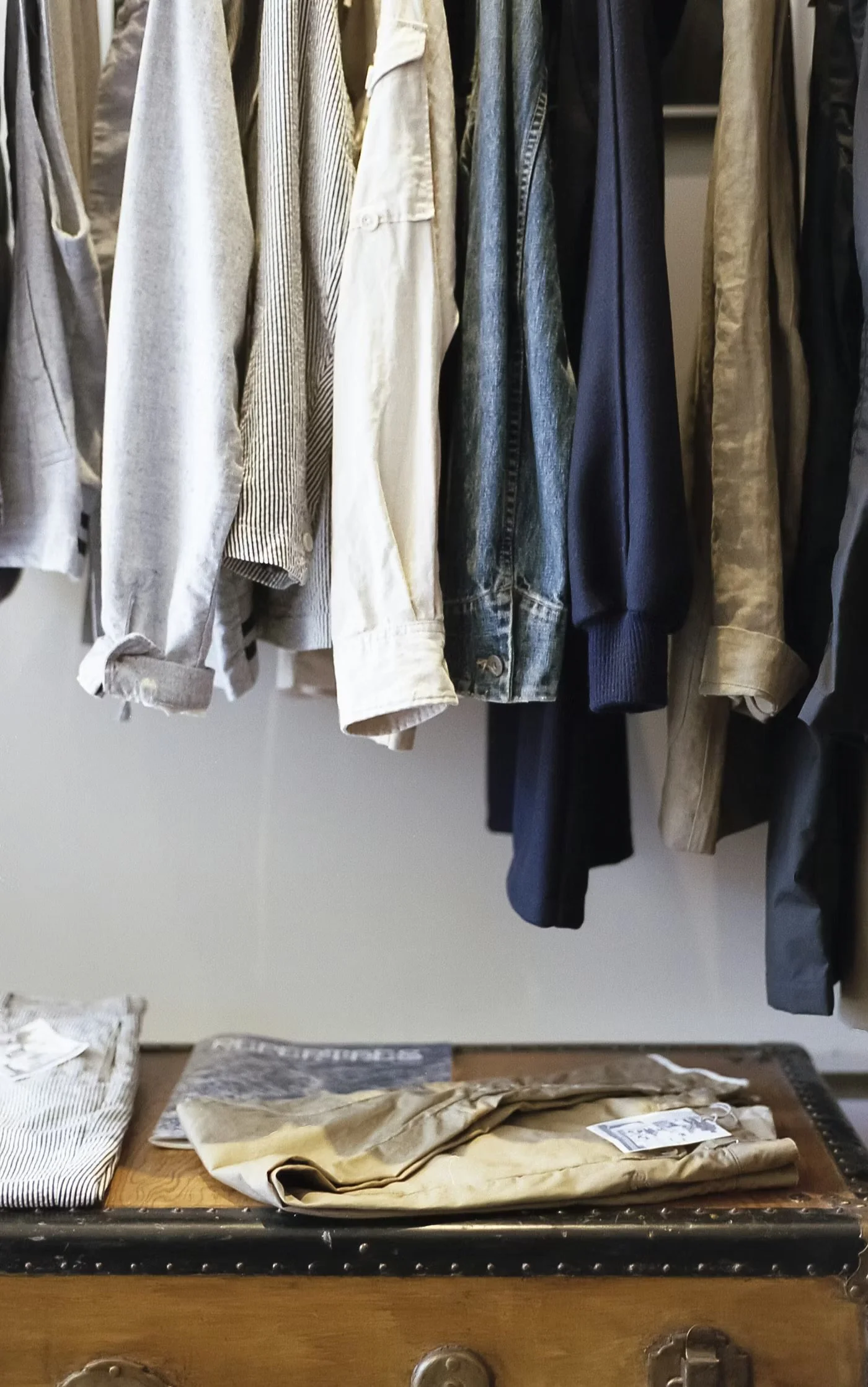
Throughout production, garments undergo inspections to check stitching, fit, and finish. Final quality control ensures each piece meets the brand’s standards.
Finishing and Packaging
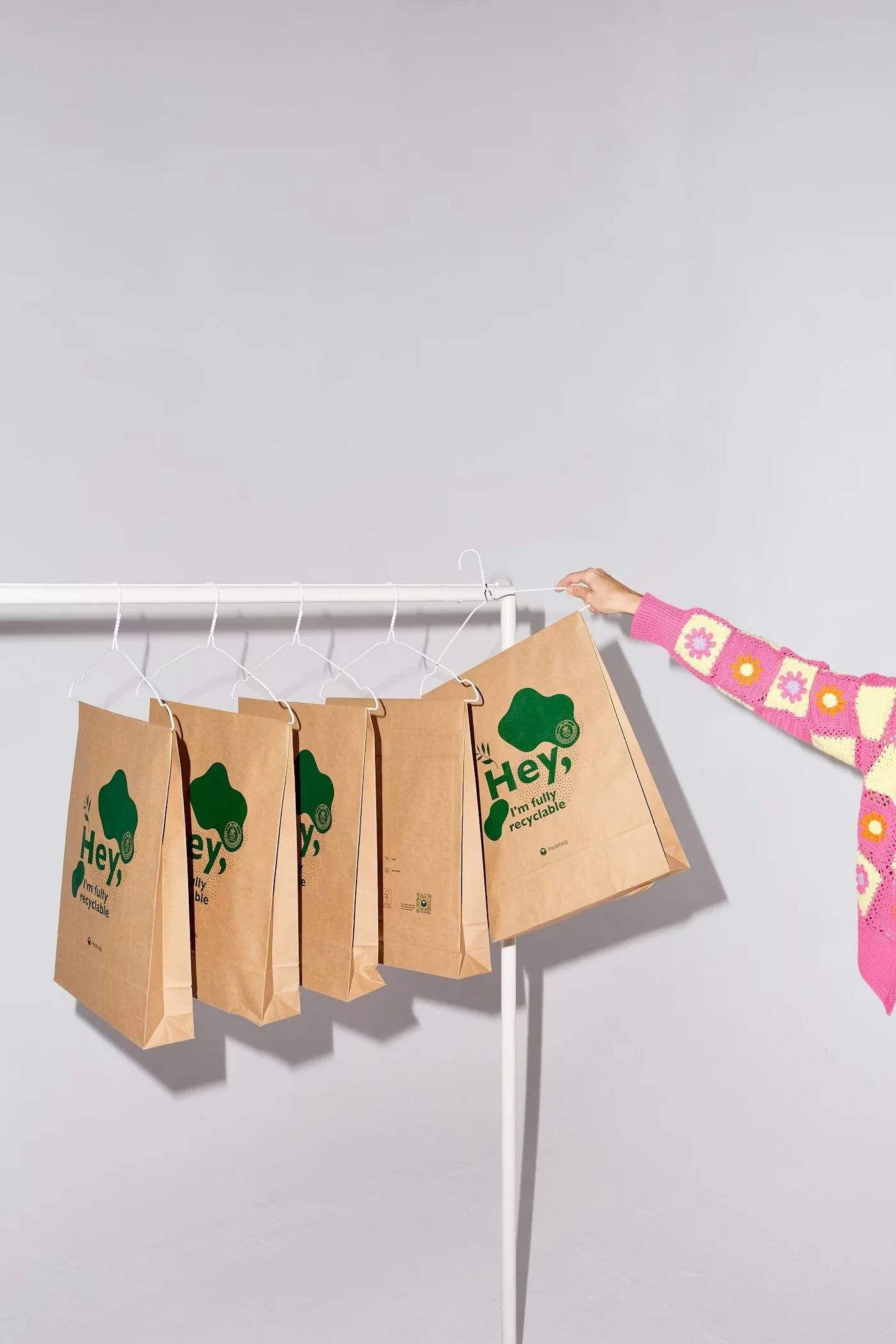
Garments receive final treatments like ironing or washing, then are packaged and prepared for shipping.
Pattern Making: The Blueprint for Your Garment
Pattern making is a crucial step in the clothing manufacturing process where your design sketches are transformed into technical templates that guide cutting and sewing. Expert pattern makers use measurements and design specifications to create accurate, scaled patterns for each part of the garment—like sleeves, bodices, collars, and pockets. These patterns are usually made from paper or digitally using specialized software, allowing for precise adjustments and easy replication. Pattern makers also factor in fabric stretch, seams, and ease to ensure the final garment fits comfortably and looks as intended.
Once patterns are created, test samples called muslins or prototypes are sewn and fitted. Any necessary changes are made to perfect the fit and design details before full production begins. Accurate pattern making reduces fabric waste, prevents costly errors, and ensures a consistent fit across every size in your collection. It’s the foundation of turning creative ideas into wearable fashion with craftsmanship and precision.
Designer’s Pattern Making Guide
Pattern making is the essential step that turns your design sketches into templates for producing garments. Here’s a simple guide to help you understand the process and work effectively with pattern makers:
1. Start with Clear Designs
Begin with detailed sketches showing front, back, and side views. Include notes about fabric type, fit, and design details like seams, darts, collars, and pockets.
2. Take Accurate Measurements
Provide precise body measurements or size charts that match your target market. This helps create patterns that fit well.
3. Understand Basic Pattern Types
Flat Patterns: Created by drafting shapes on paper or digitally, based on measurements.
Draping: Fabric is pinned and shaped directly on a dress form to create patterns organically.
4. Communicate Fit Preferences
Specify if you want a tight, relaxed, or tailored fit. Clear fit goals reduce back-and-forth changes and speed up sampling.
5. Work with a Skilled Pattern Maker
Collaborate closely with your pattern maker, sharing your design inspiration and feedback on test samples (muslins). This partnership ensures your vision is accurately realized.
6. Approve the Prototype
Once the first sample is made, check fit, design details, and movement. Request adjustments as needed before moving to production patterns.
7. Consider Grading for Sizes
Patterns are ‘graded’ to create consistent sizes across your collection. Good grading preserves the intended fit for every size.
Following this guide will help you prepare for pattern making and ensure smooth, efficient development, turning your design ideas into high-quality garments.
Designer’s Pattern Making Preparation Checklist
Clear, detailed sketches (front, back, and side views) with notes on design elements
Fabric type and texture specified
Target fit style defined (tight, relaxed, tailored)
Accurate body measurements or size charts available
List of key garment features (seams, darts, collars, pockets, closures)
Inspiration or mood boards shared with pattern maker
Discussion of any special fabric behaviors (stretch, drape)
Timeline and budget communicated upfront
Sample Review & Communication Checklist
Prototype garment received on agreed schedule
Fit checked on dress form or model for intended sizing and ease
Design details (seams, hems, collars, finishes) inspected for accuracy
Fabric behavior observed (stretch, puckering, movement)
List of necessary adjustments prepared (fit, design, construction)
Clear, concise feedback shared with pattern maker
Approve or request new prototype with documented changes
Confirm grading specifications if applicable for size range
Final approval granted before production patterns created